Duane Linklater – mâcistan, NOVEMBER 29, 2025–FEBRUARY 15, 2026
Duane Linklater mâcistan November 29, 2025–February 15, 2026
Secession, Vienna, Austria
Collecting objects is inherently a form of world-building—we establish connections, bestow value, preserve memories, construct and disseminate knowledge. This can occur on a small scale, in a personal family archive, and on a larger scale, when museums fill their depots and galleries with objects in order to shape national identities and narrate their stories about the world.
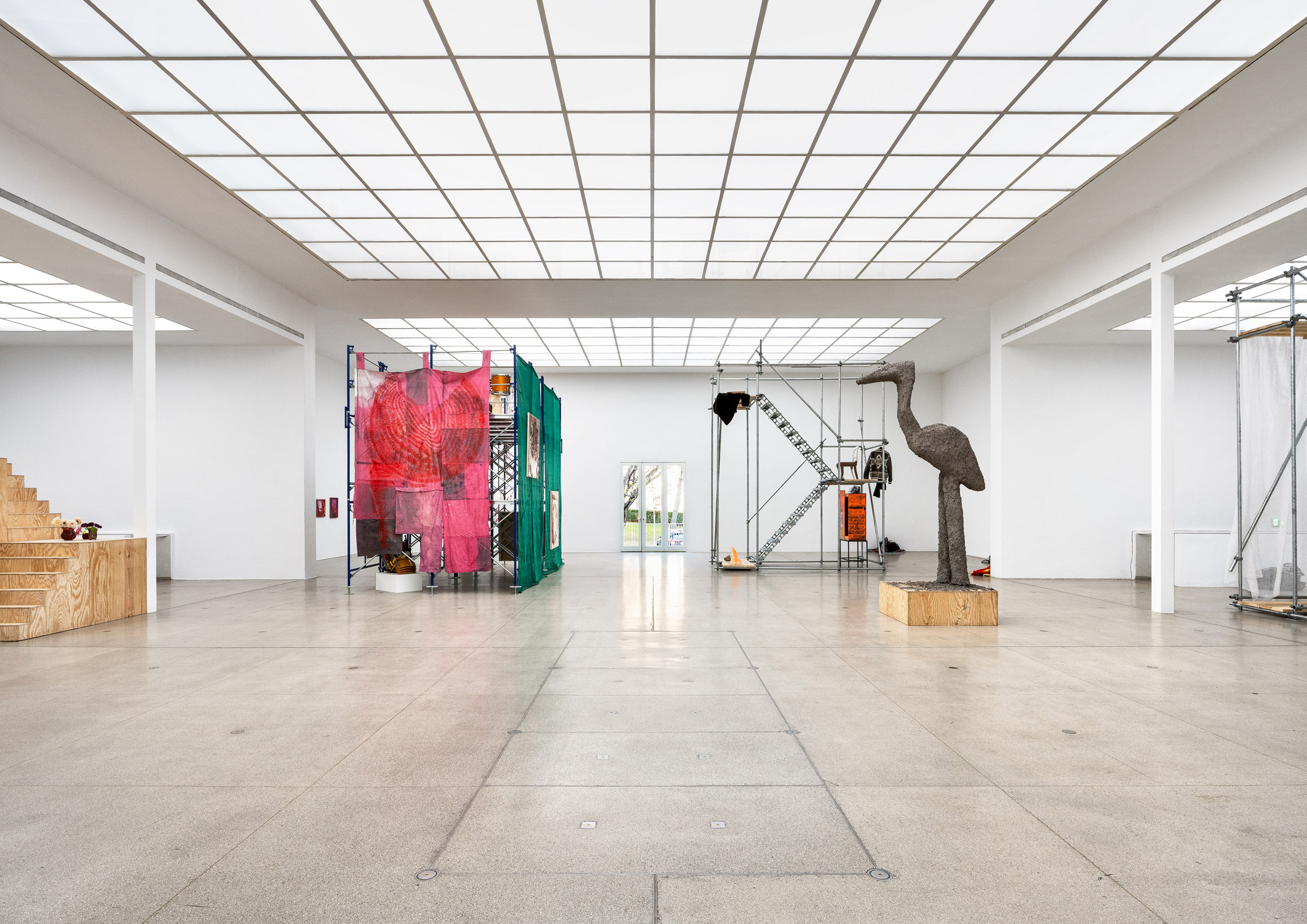
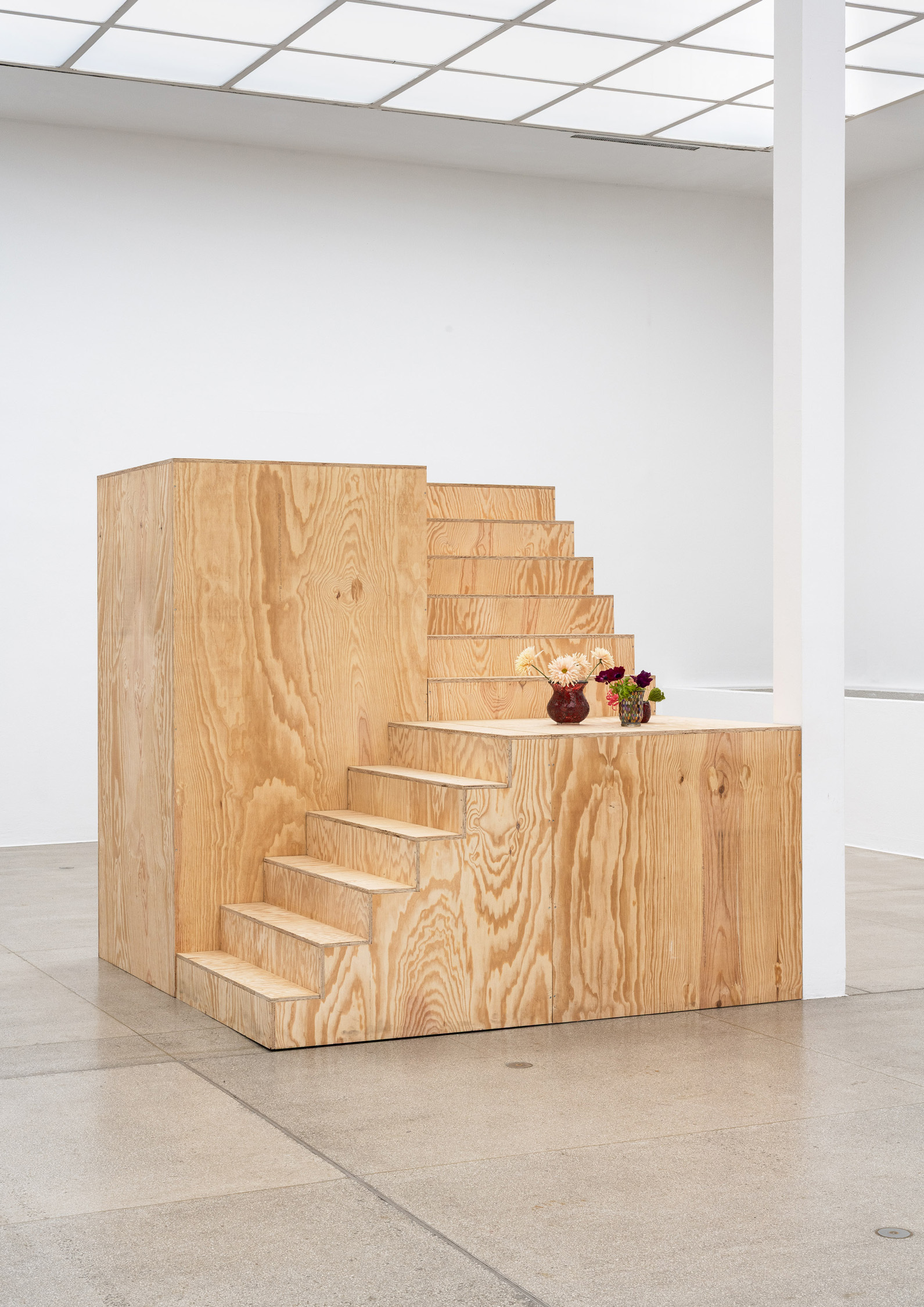
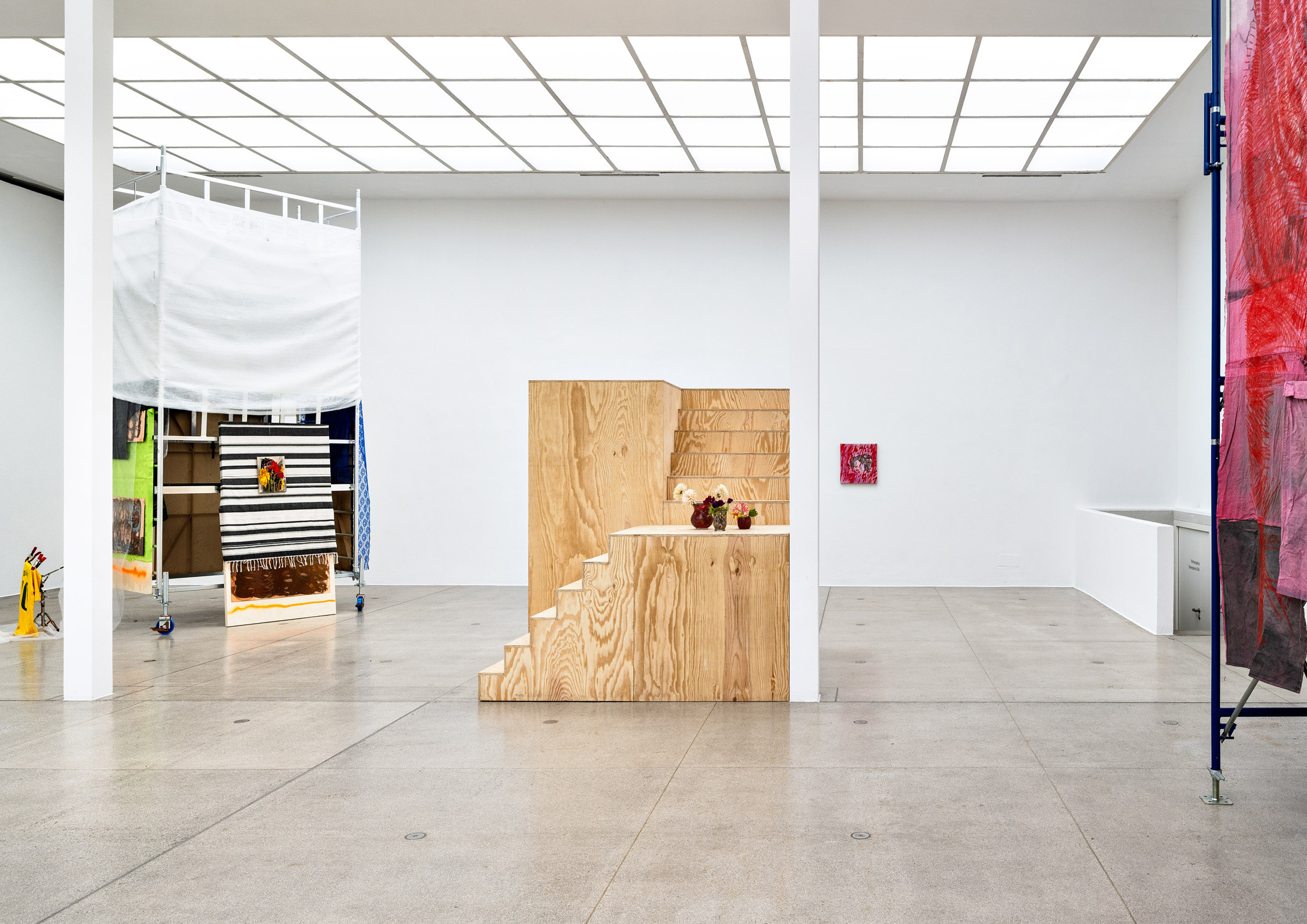
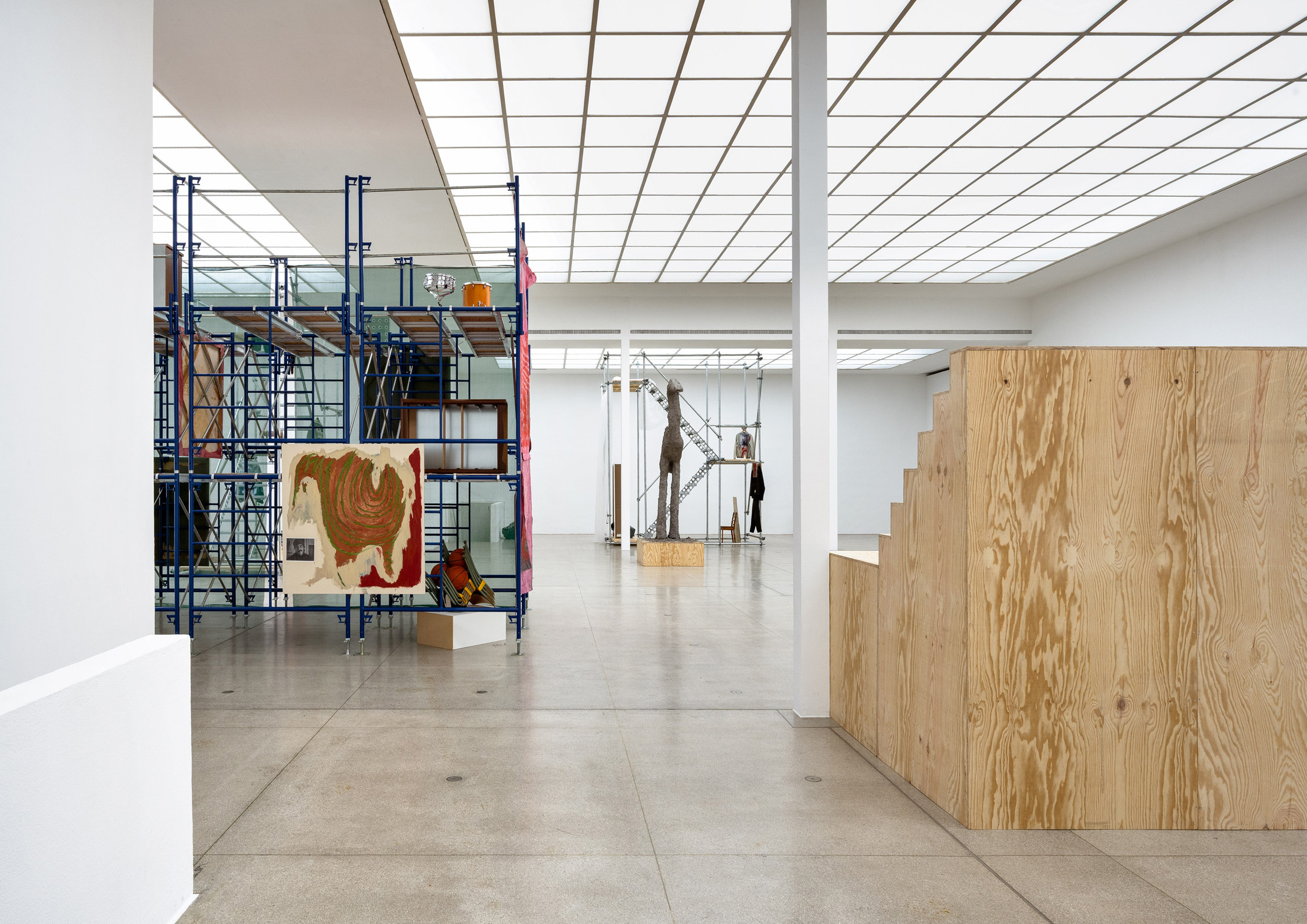
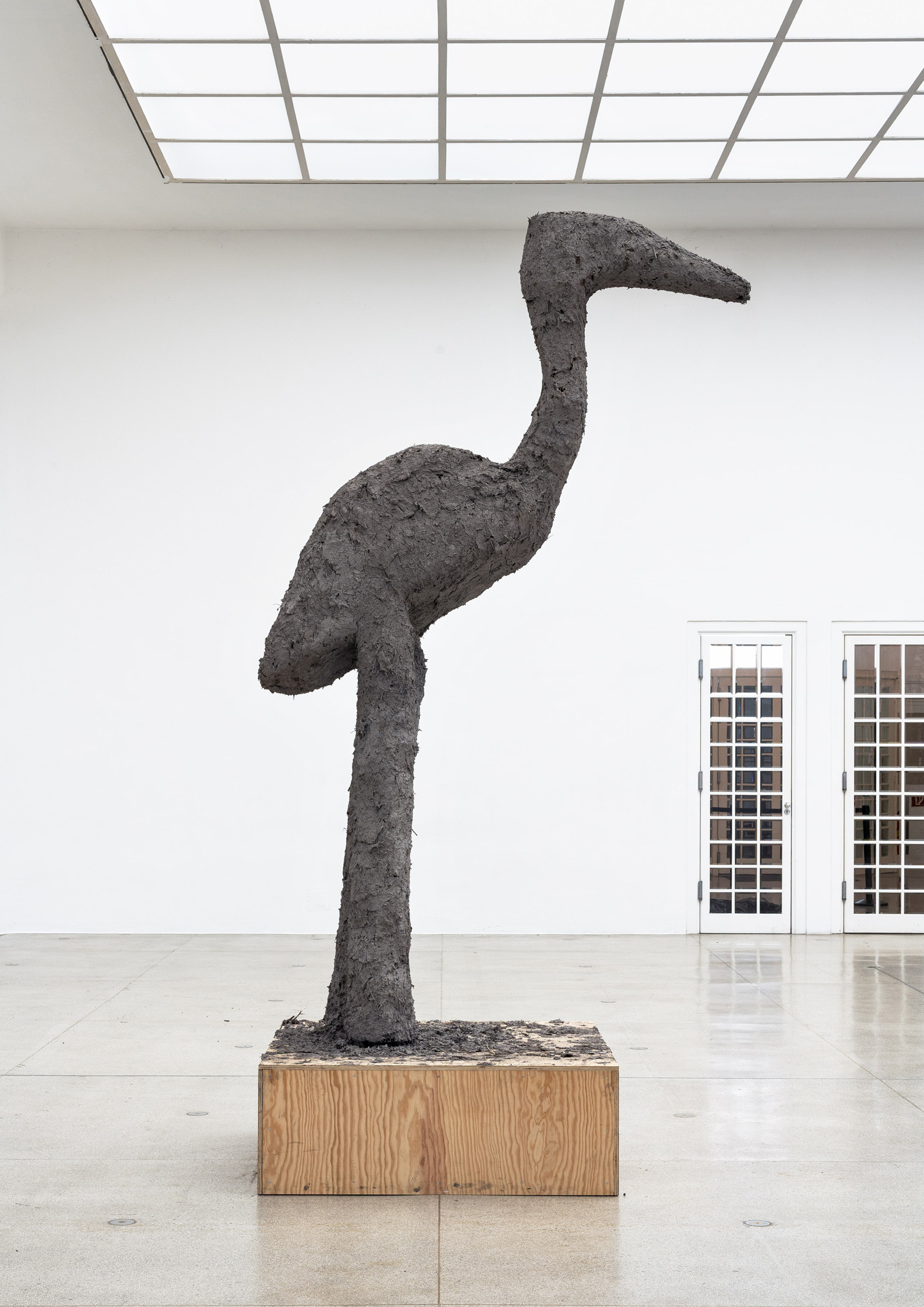
Duane Linklater situates the conventions of the museum within the broader framework of both contemporary and historical conditions of Indigenous life. The artist not only refers to the inherited storage practices of his ancestors, but also critically addresses the violent systems of knowledge, representation, and value imposed by settler colonialism. For his exhibition at the Secession, Linklater has developed a site-specific modular structure centred around the concept of the ‘cache’. A cache is a collection or assemblage of things. Connecting personal collections—the keepsakes and small objects we accumulate throughout our lives and display in our homes—to the larger museum complex and its colonial underside, the cache speaks to the entangled narratives through which not only objects but also emotions, memories, and ideas circulate and are preserved all over the world.
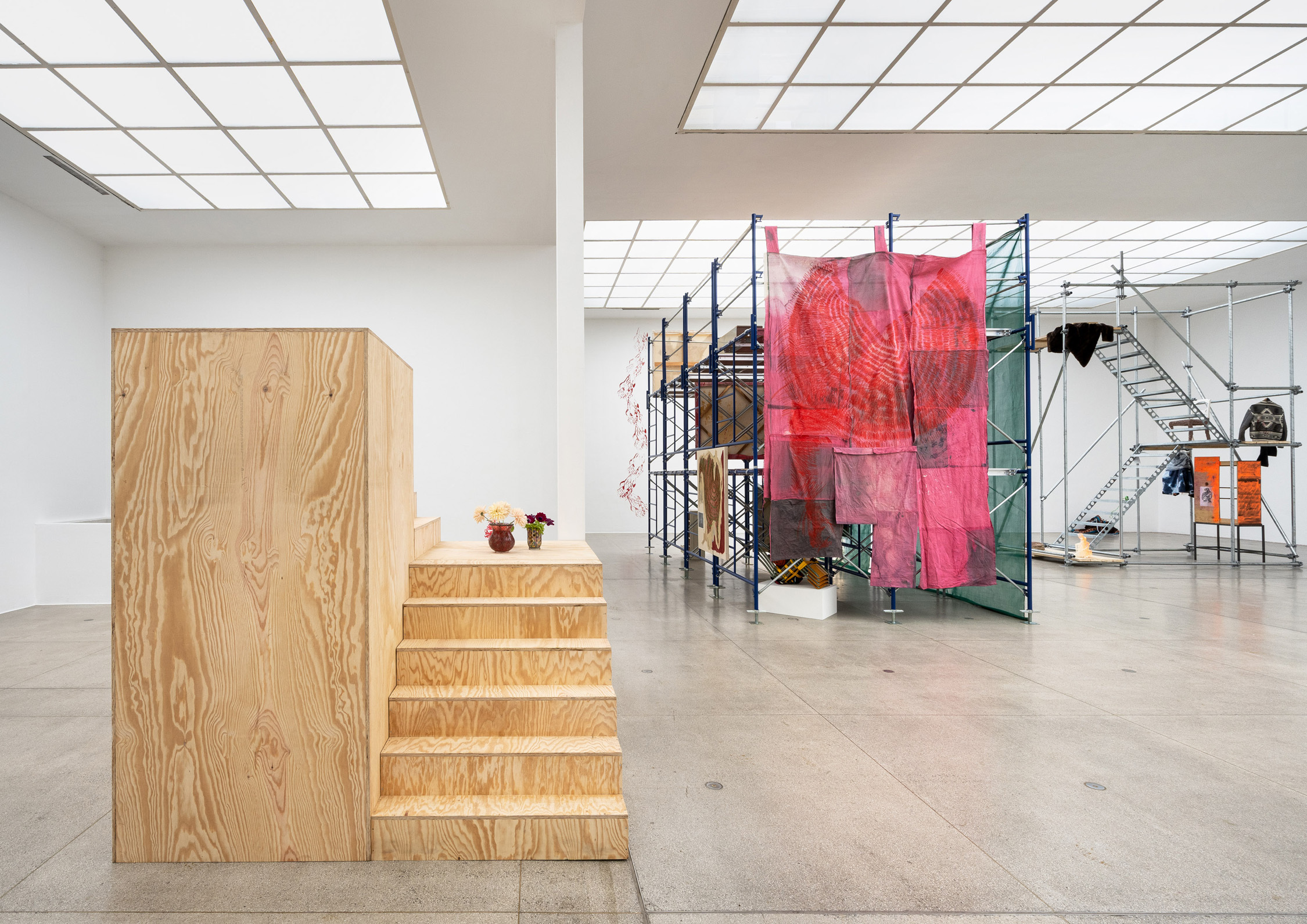
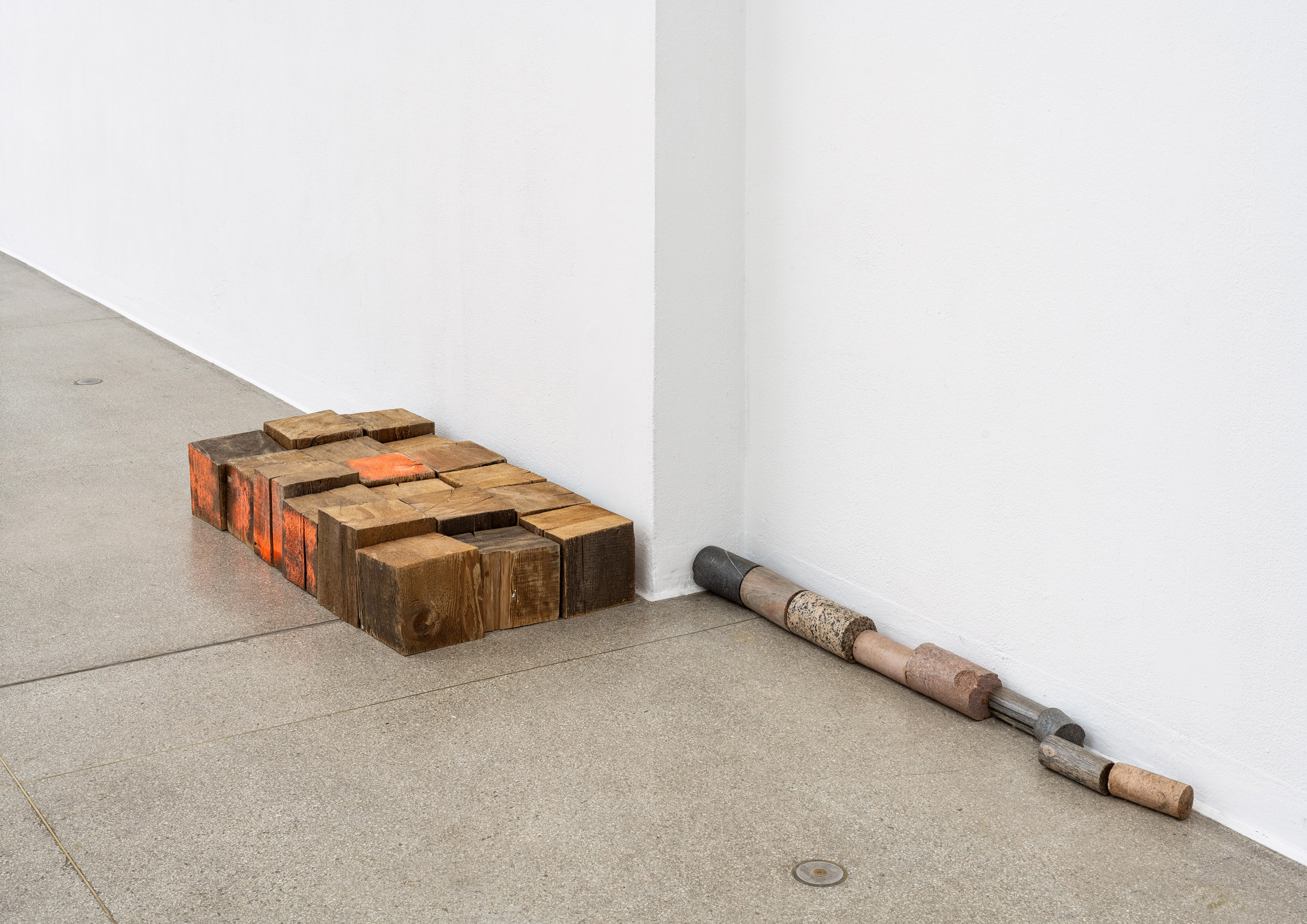
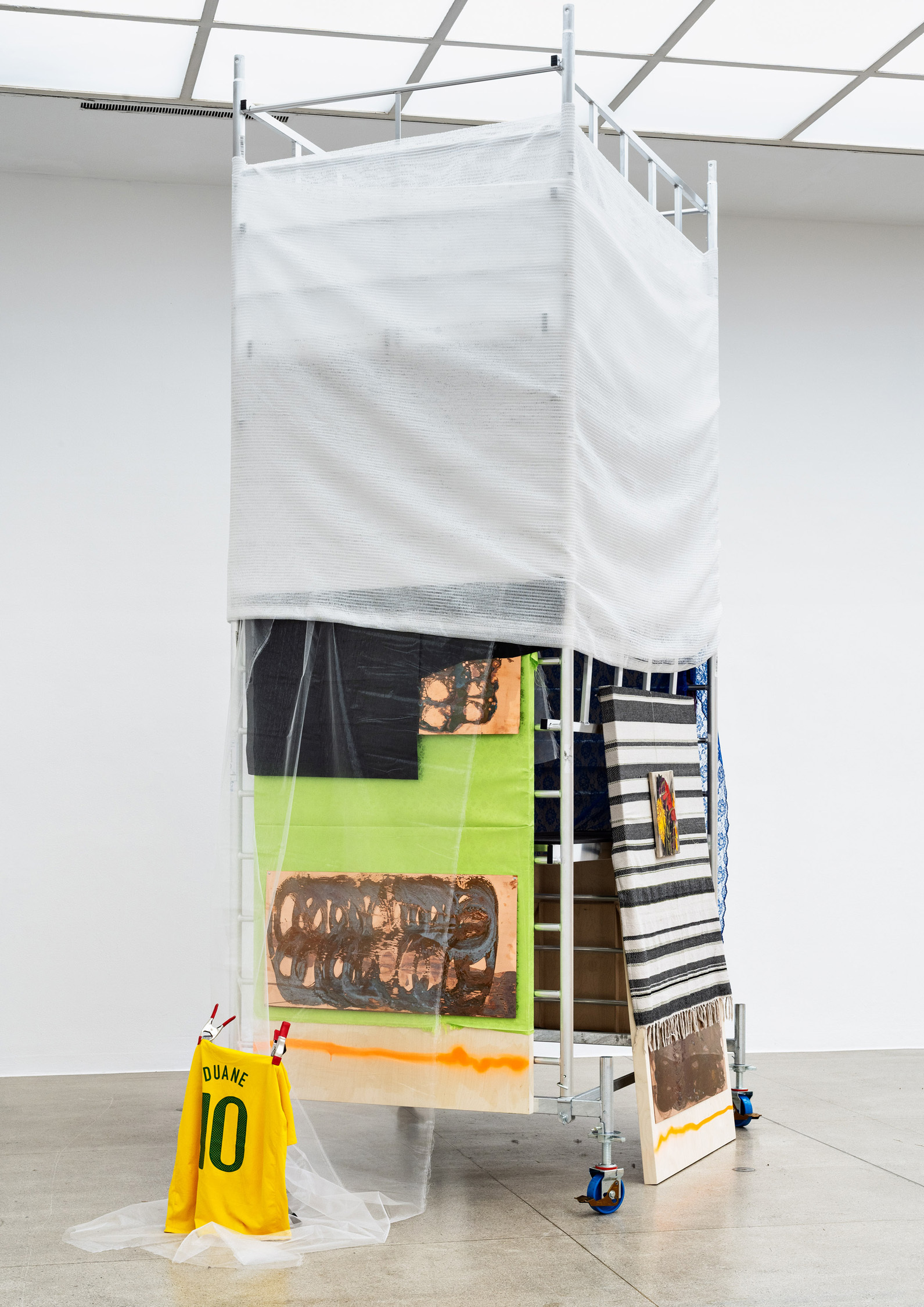
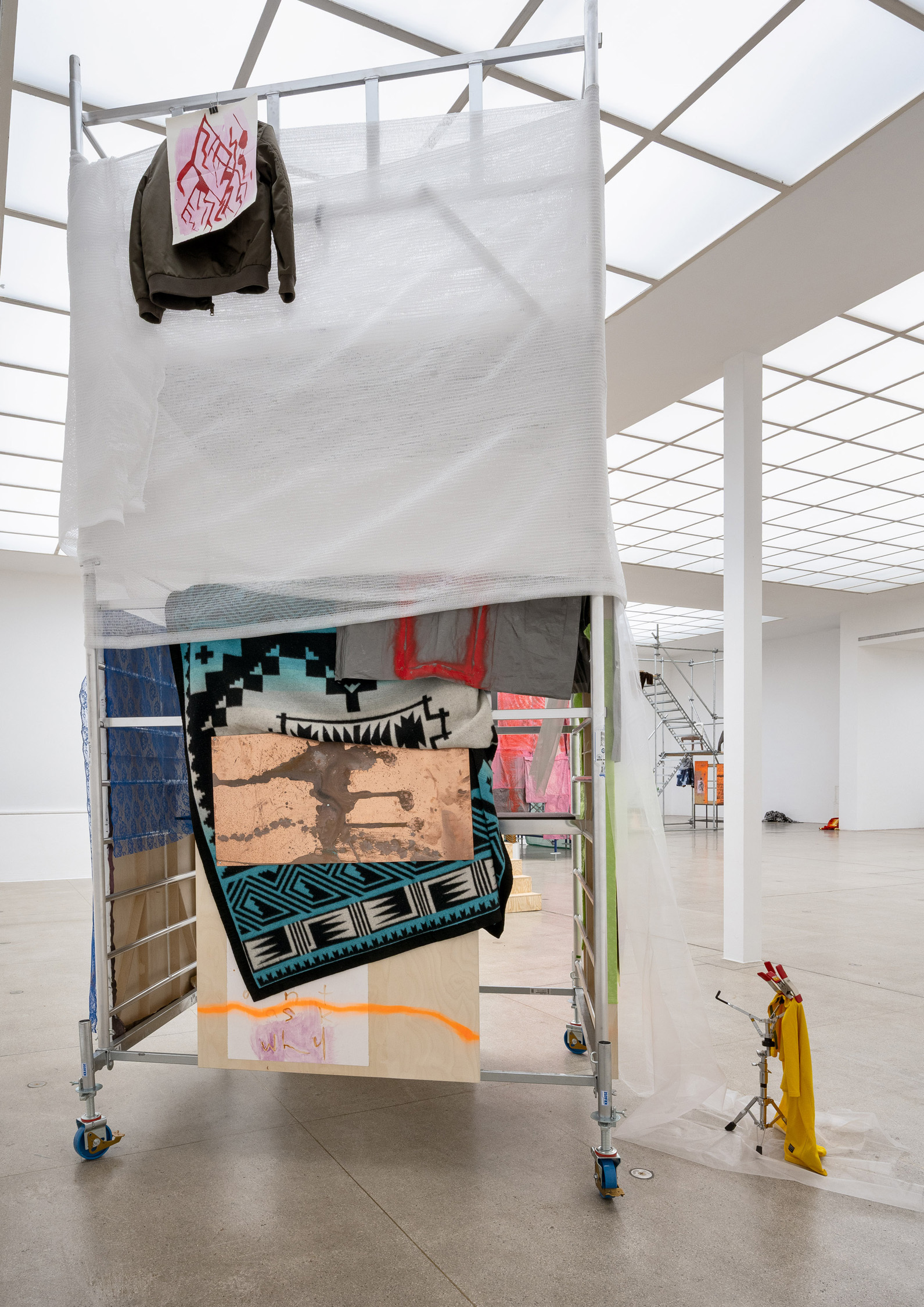
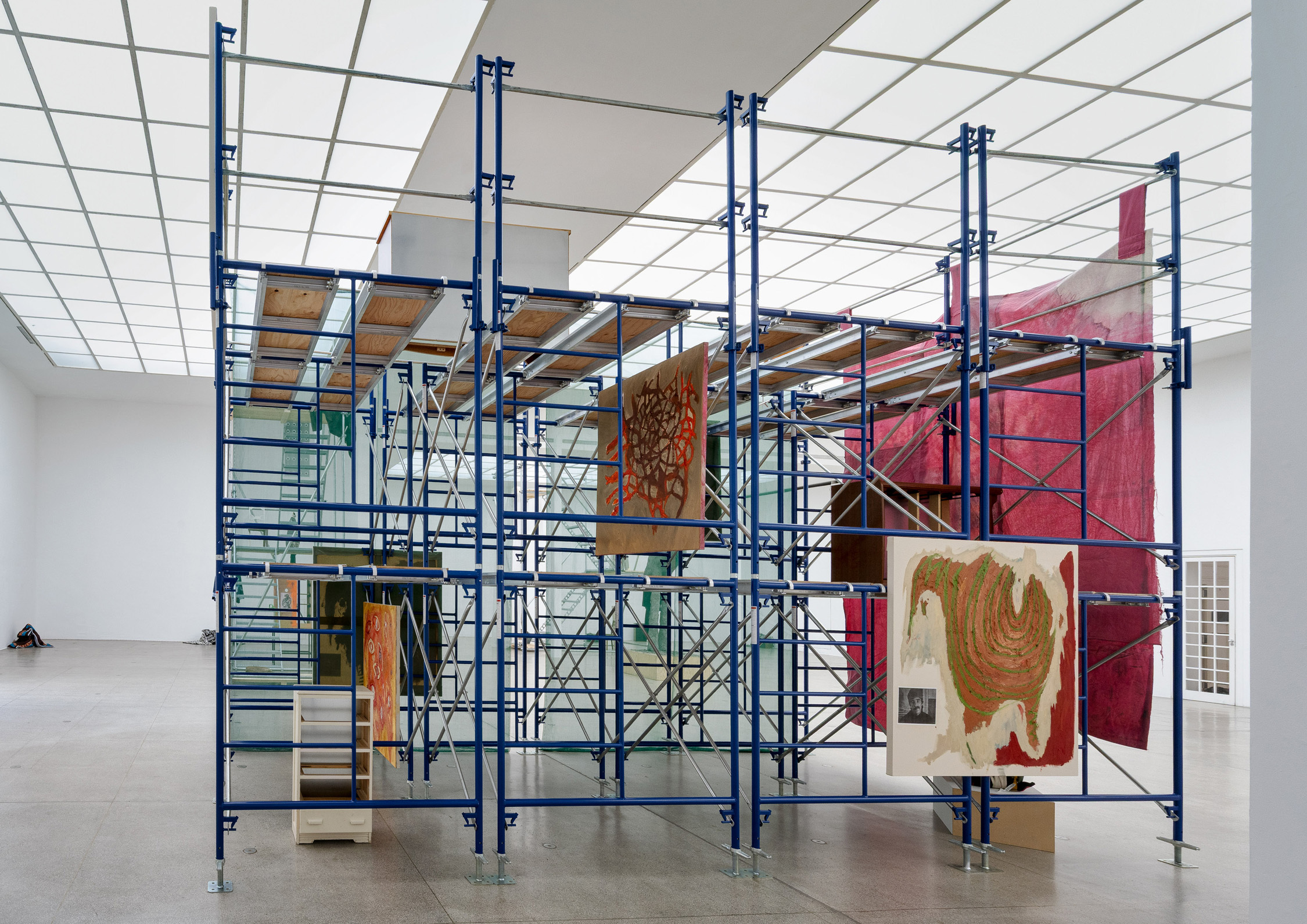
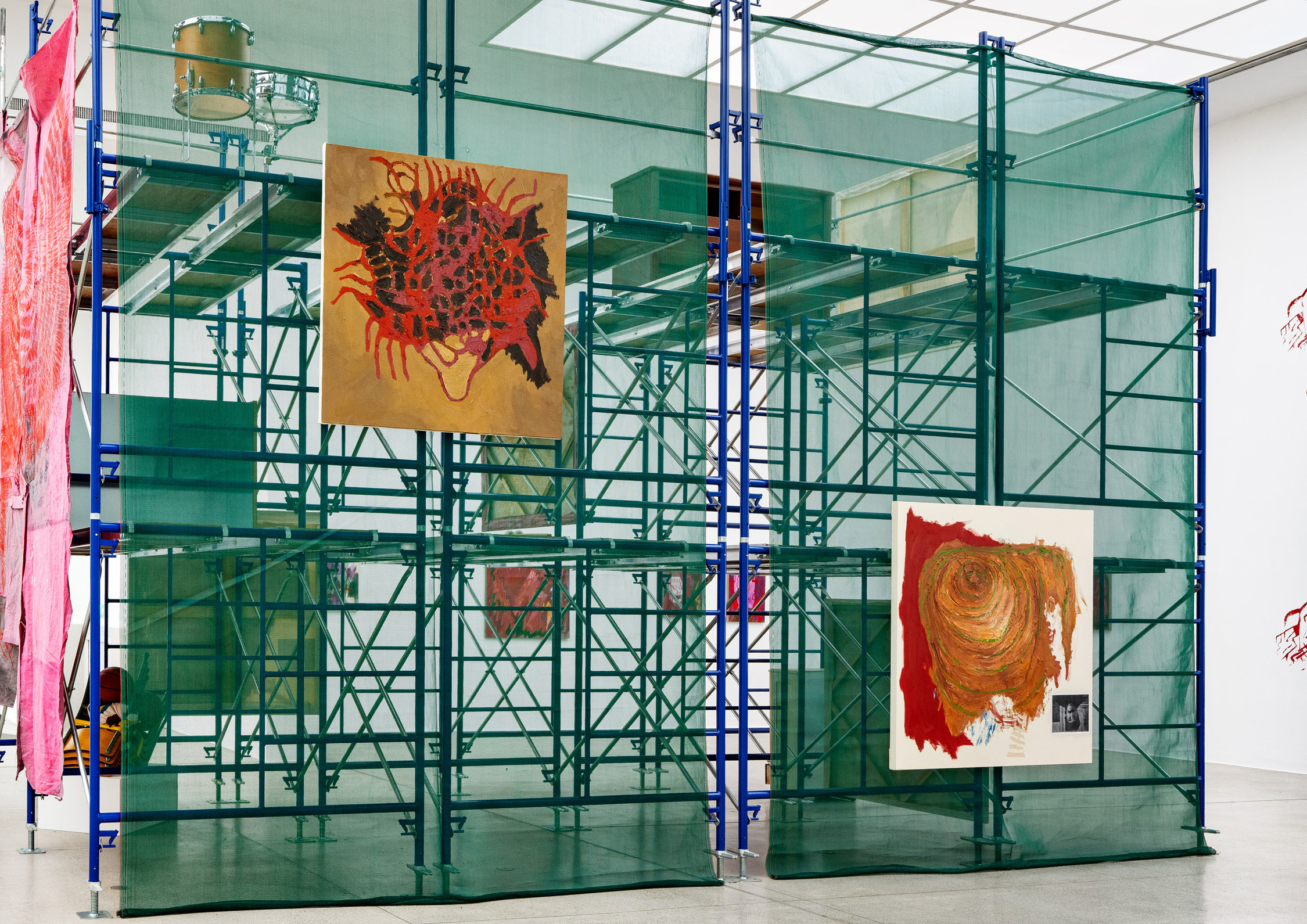
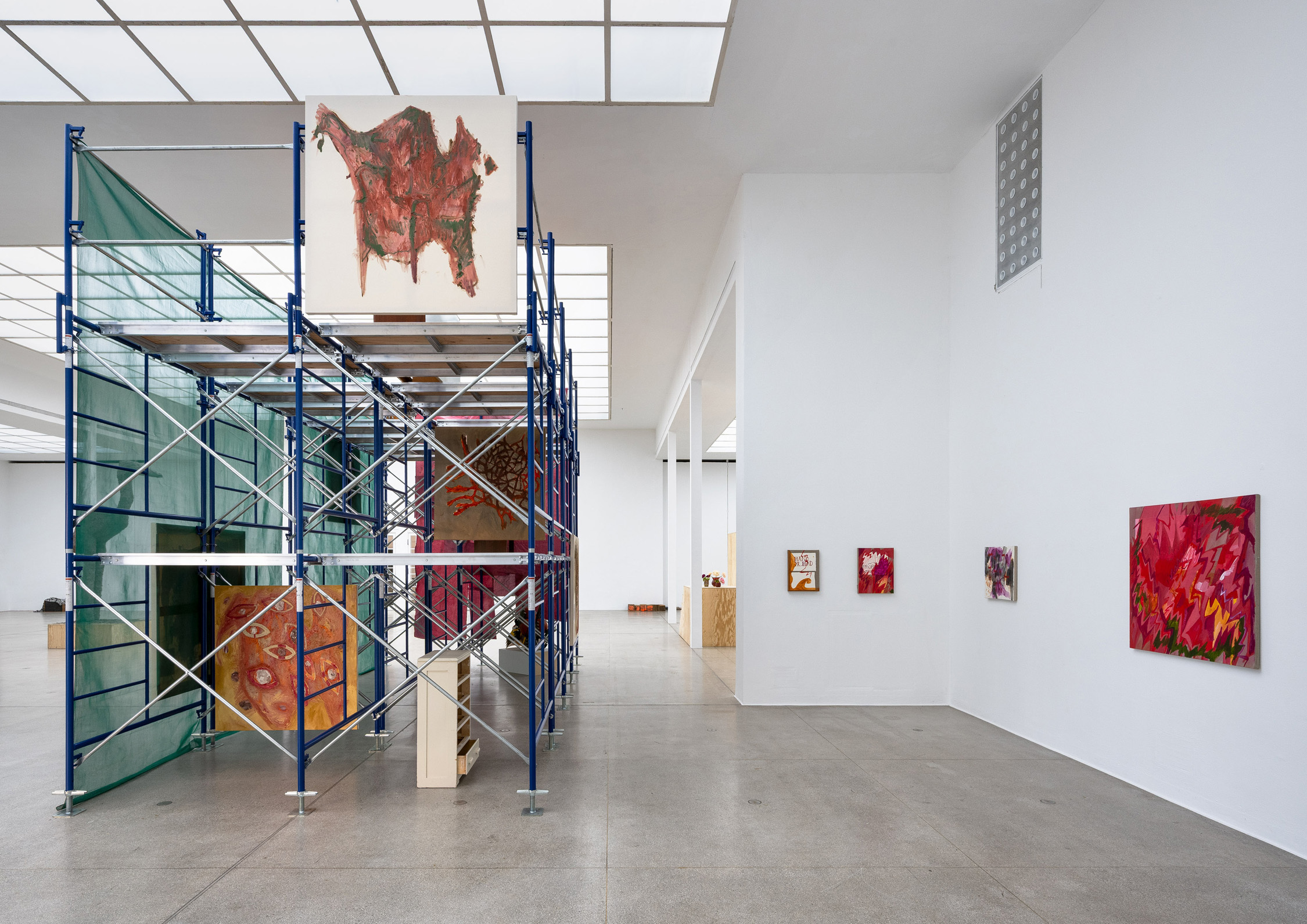
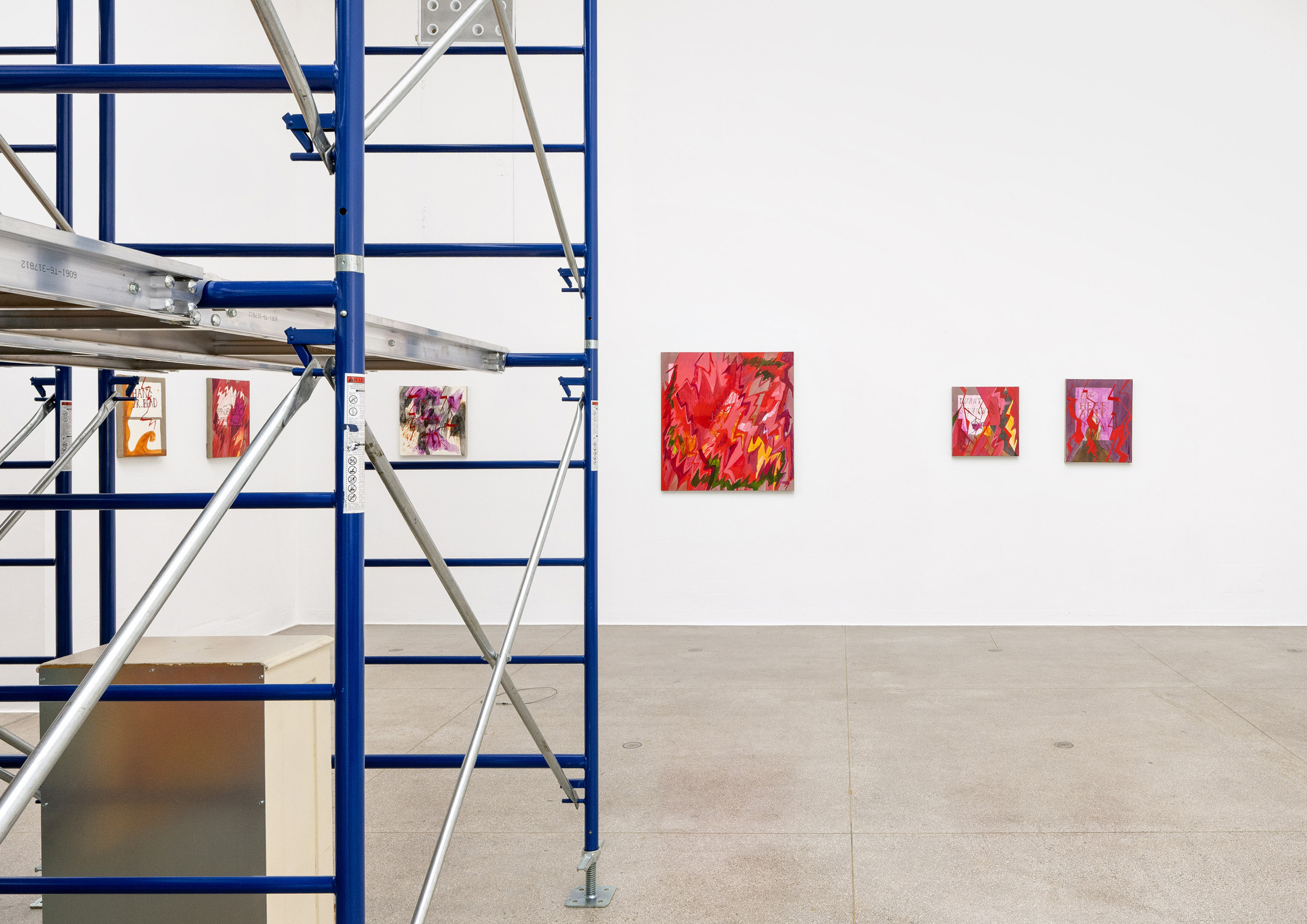
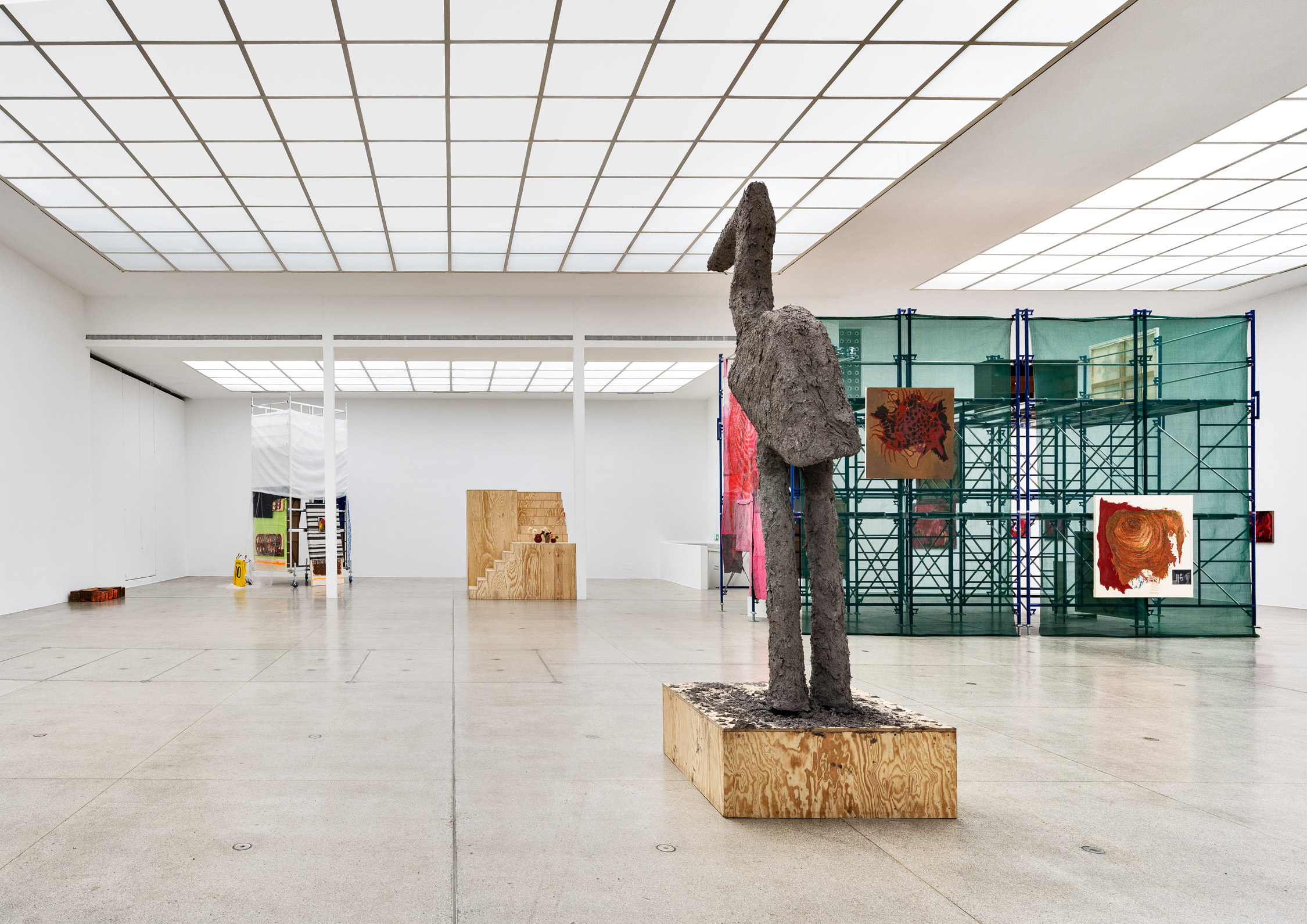
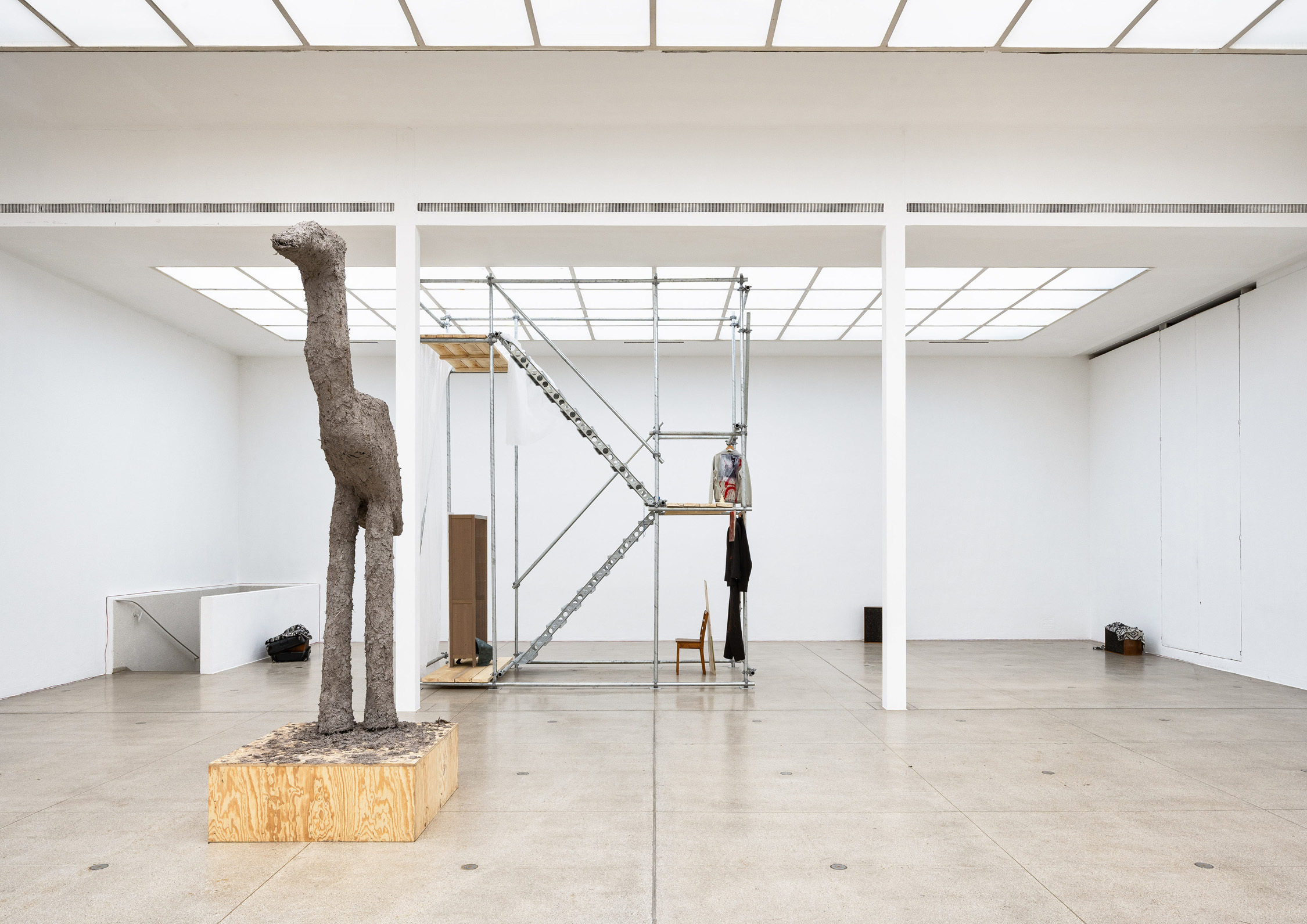
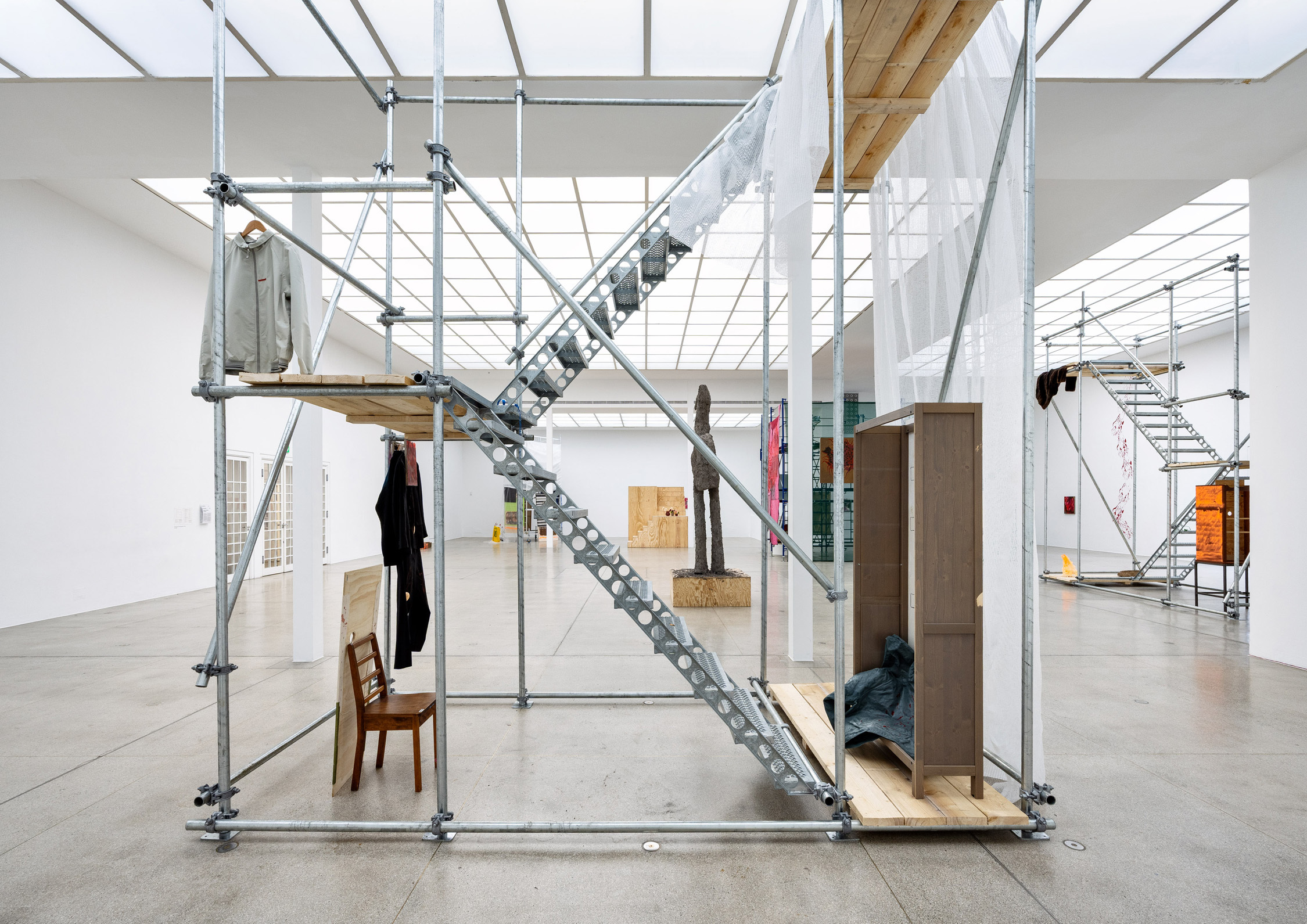
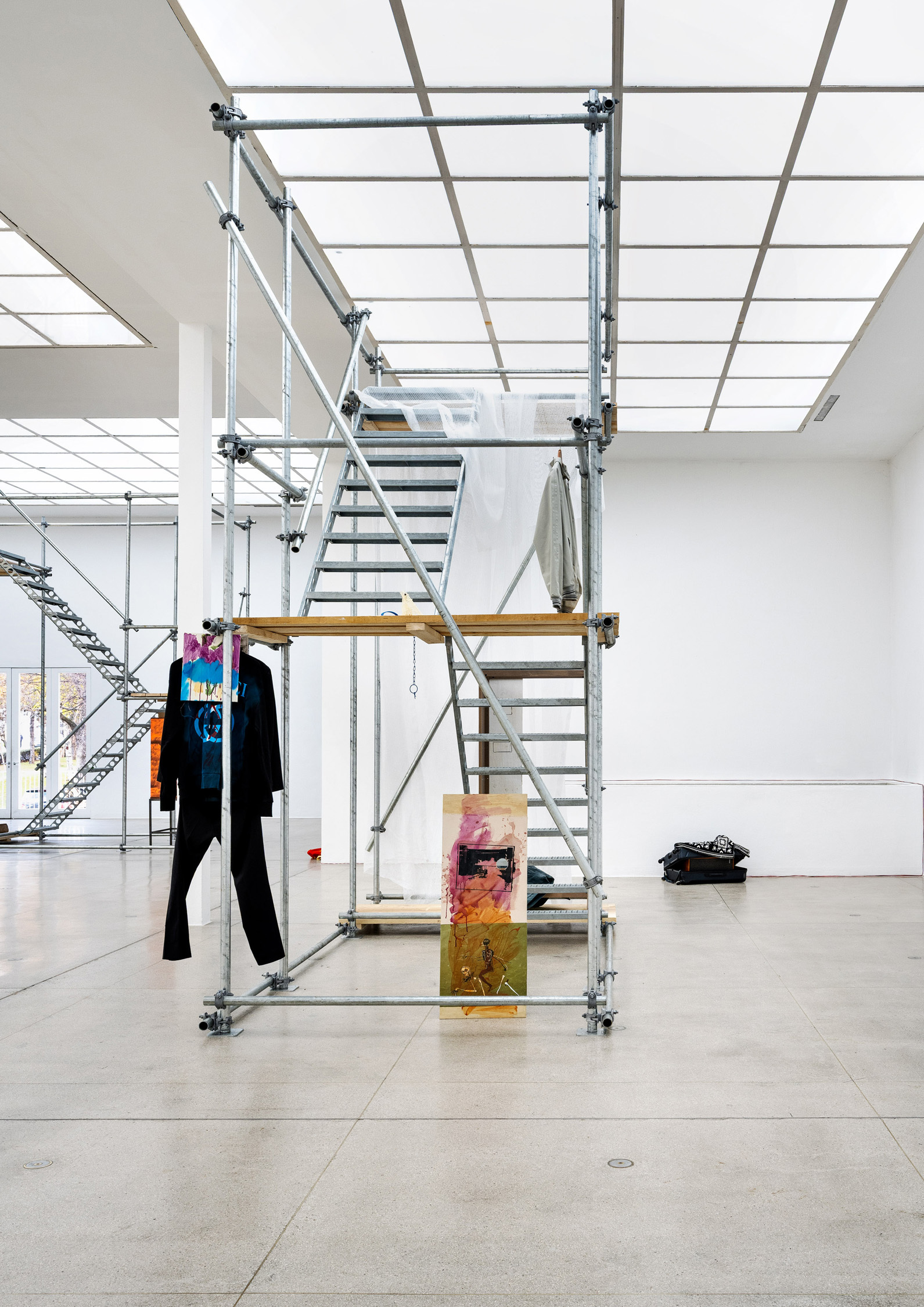
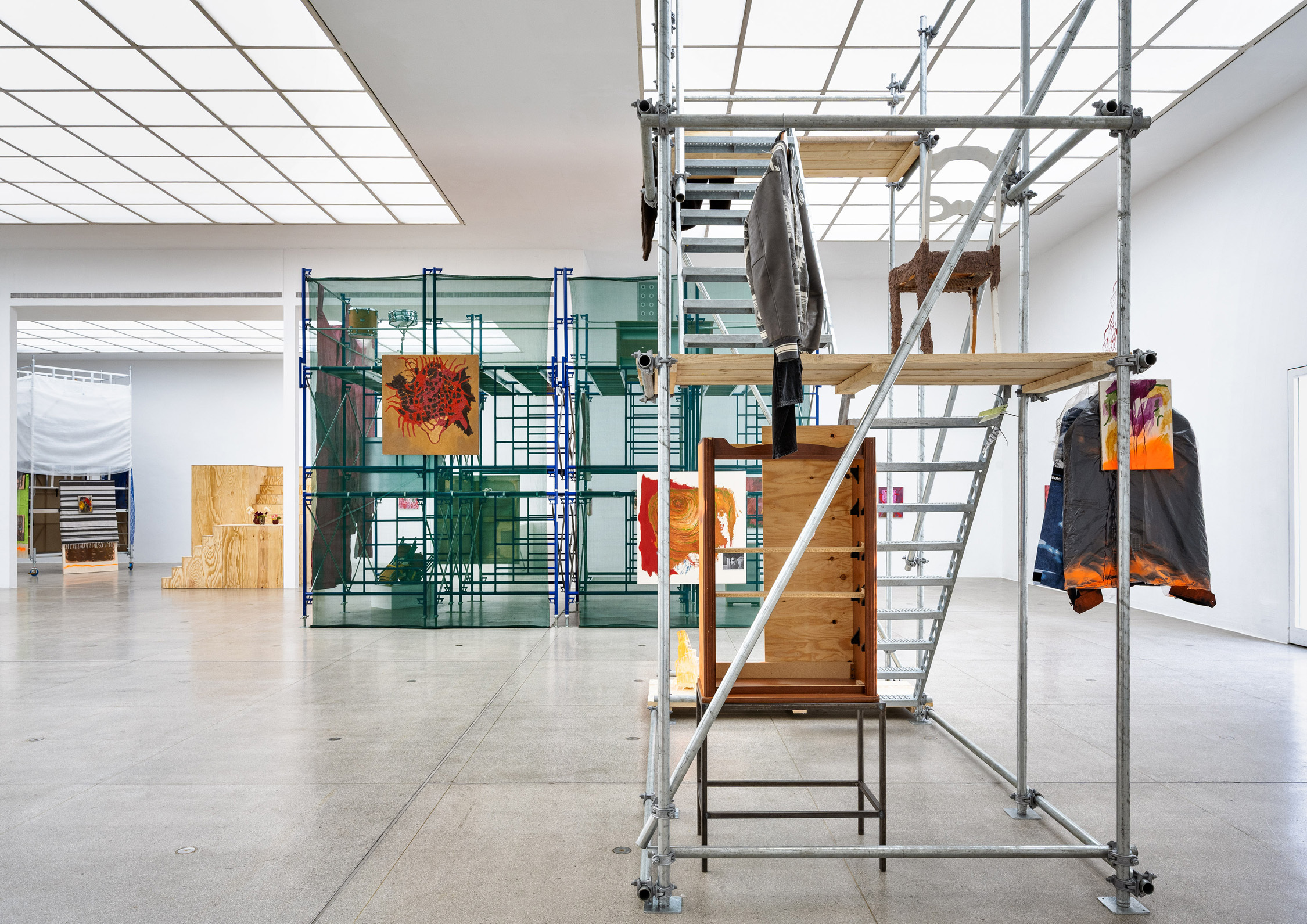
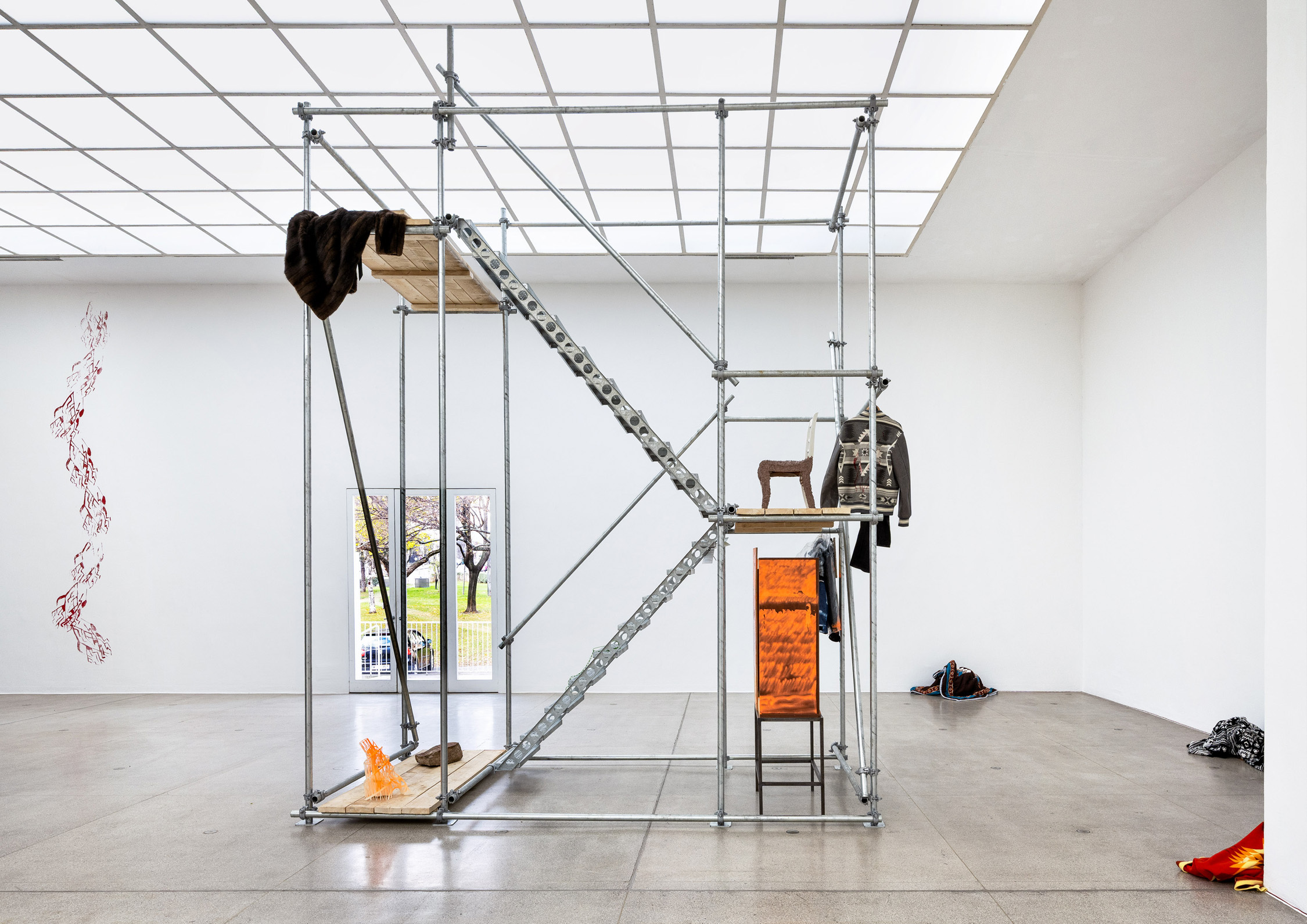
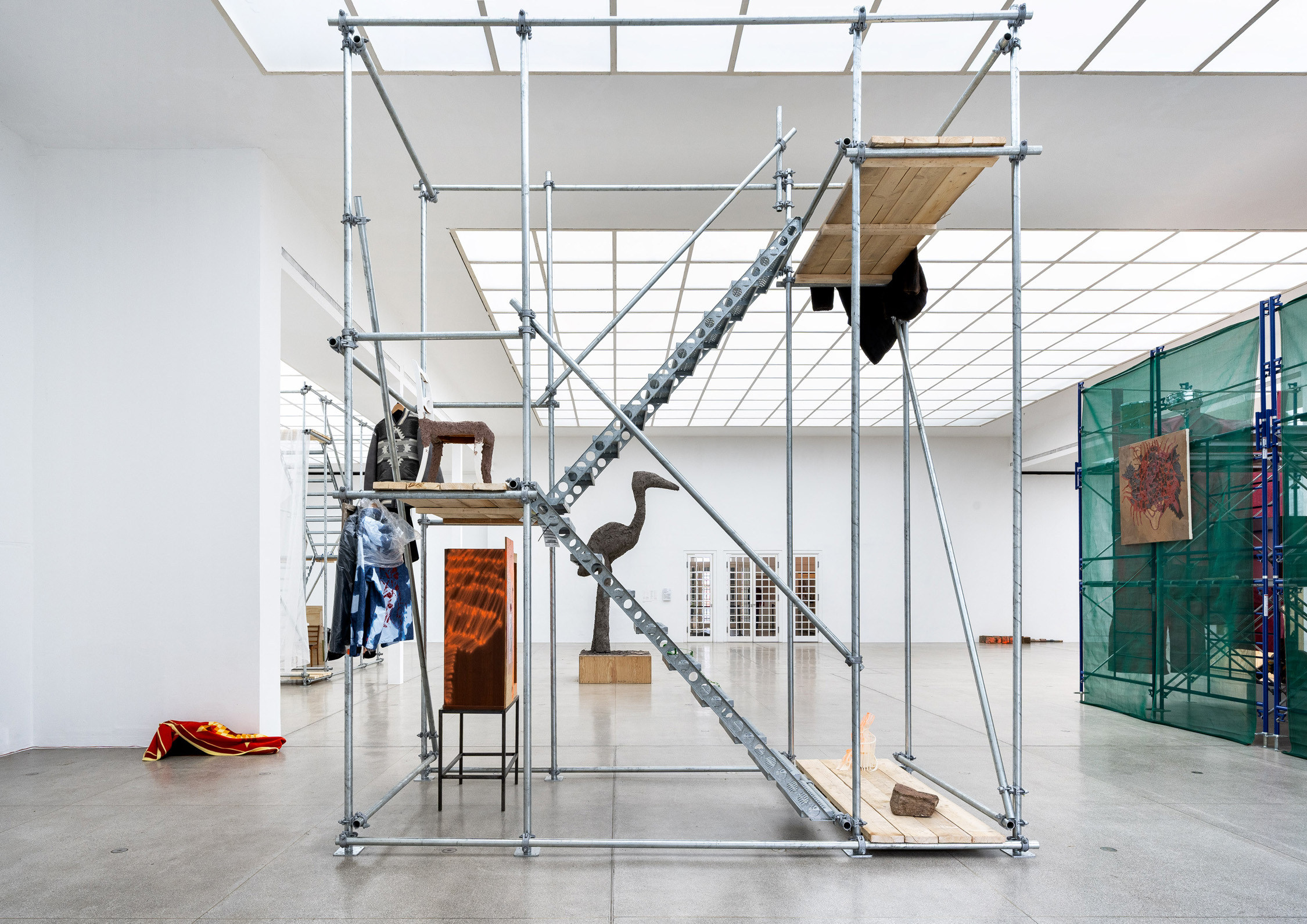
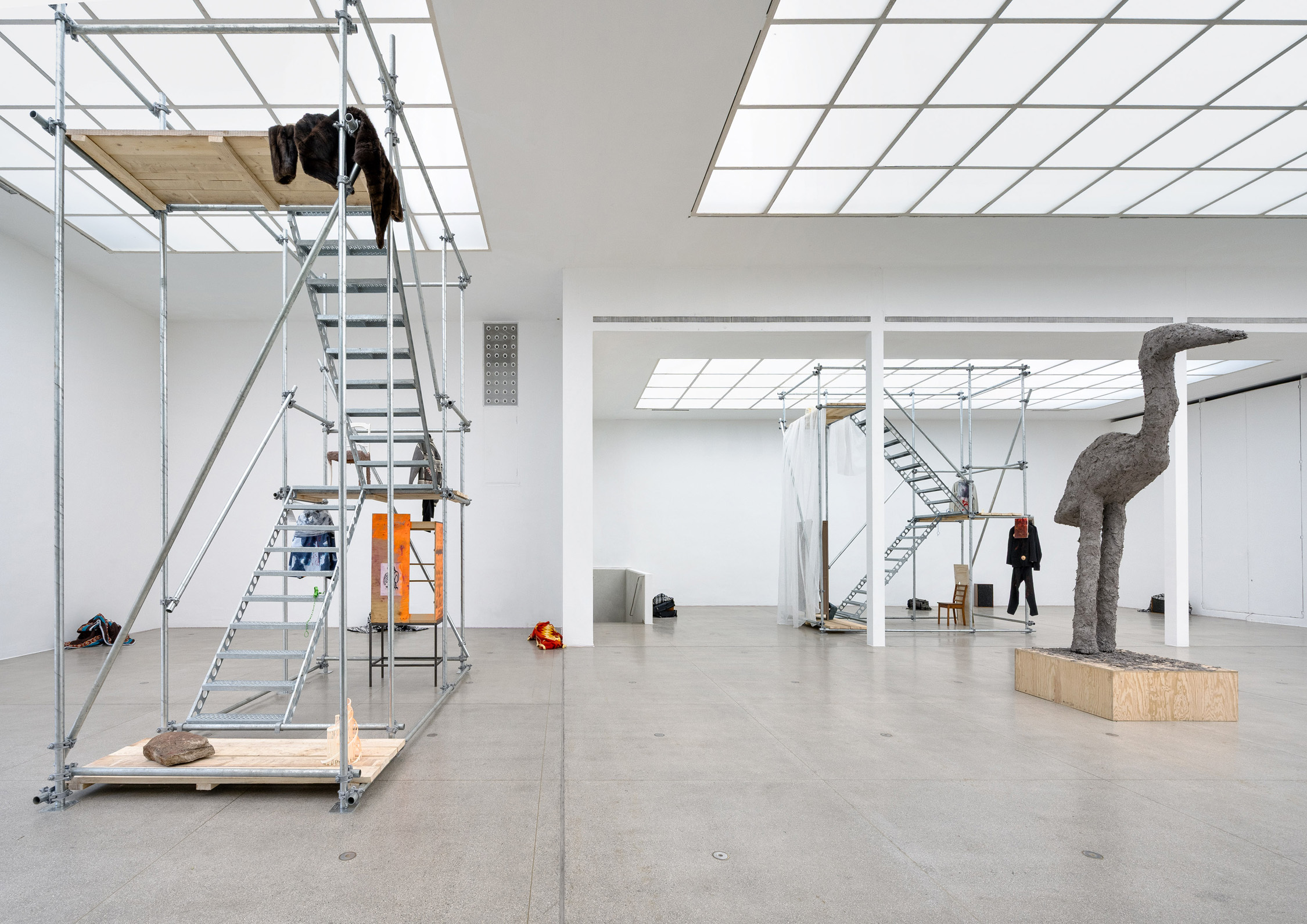
In this exhibition, the artist responds directly to the physical space and to the institution as an ideological entity itself: its structures, processes, contexts. His presentation is grounded by a series of towering scaffolds. Instead of hanging works on the institution’s walls, Linklater creates his own framework for their display. It is no coincidence that the Cree word for cache, tešipitǎkan, also translates as ‘structure’ or ‘frame’. Embedded within these scaffolds are paintings, found objects, pieces of furniture, and various materials that undergo Linklater’s own process of collecting and safekeeping that is also a gesture of care. Household items and family possessions are elevated high above the ground, beyond immediate reach, awaiting their potential future use.
The concept of the cache further evokes two such hoards discovered in and around Ottawa. The first, unearthed at the confluence of three major rivers near the city, contained Indigenous artefacts and quartz tools dating back 10,000 years. The second, found during construction for a new office building directly on Parliament Hill, held Indigenous objects from the pre-colonial period. Of course, the unearthed tools will not be used again in the same ways for which they were originally intended—their future rests with the decisions of local Nations and national museums. This condition resonates with the cache as an indeterminate form, one that is continuously filled with new meanings and associations. At the same time, Linklater’s assembling families of objects is also an act of tender repair, one that insists on cultural continuity despite the colonial context of forced displacement and cultural erasure. It is therefore all the more fitting that scaffolding, wherever it appears across the world, is itself a structure associated with acts of restoration—a material metaphor for the delicate labour of sustaining connections across ruptures of history.